
Kia Forte: Hood / Hood open warning
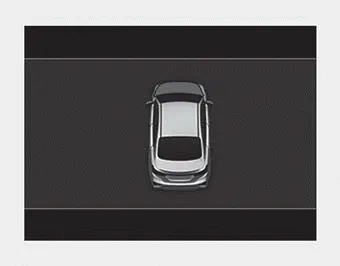
The warning message will appear on the LCD display when hood is open.
The warning chime will operate when the vehicle is being driven at or above 3 km/h (2 mph) with the hood open.
WARNING - Unsecured engine hood
Always double check to be sure that the hood is firmly latched before driving away. If it is not latched, the hood could fly open while the vehicle is being driven, causing a total loss of visibility, which might result in an accident.
CAUTION
Before closing the hood, ensure that all obstructions are removed from the engine compartment and surrounding body sheet metal. Closing the hood with an obstruction present could result in damage to the engine, sheet metal or the impacted objects.
WARNING
The support rod must be inserted completely into the hole whenever you inspect the engine compartment. This will prevent the hood from falling and possibly injuring you.
1. Before closing the hood, check the following: All filler caps in the engine compartment must be correctly installed. Gloves, rags or any other combustible material must be removed from the engine compartment.
Opening the fuel filler lid The fuel filler lid must be opened from inside the vehicle by pulling up the fuel filler lid opener. If the fuel filler lid does not open because ice has formed around it, tap lightly or push on the lid to break the ice and release the lid.
Other information:
Kia Forte 2019-2024 (BD) Owner's Manual: Light bulbs
Bulb replacement precaution Please keep extra bulbs on hand with appropriate wattage ratings in case of emergencies. Refer to the "Bulb Wattage" section in Chapter 8. When changing lamps, first turn off the engine at a safe place, firmly apply the parking brake and detach the battery’s negative (-) terminal.
Kia Forte 2019-2024 (BD) Owner's Manual: Recommended lubricants and capacities
To help achieve proper engine and powertrain performance and durability, use only lubricants of the proper quality. The correct lubricants also help promote engine efficiency that results in improved fuel economy. These lubricants and fluids are recommended for use in your vehicle.
Categories
- Manuals Home
- Kia Forte Owners Manual
- Safety features of your vehicle
- Maintenance
- Check tire pressure
- New on site
- Most important about car
